





In a world where climate change feels like the ultimate villain in a superhero movie, green tech innovations are stepping in as the caped crusaders. These groundbreaking technologies are not just saving the planet—they’re making it a cooler place to live. From solar panels that double as stylish roofs to electric cars that make you feel like you’re driving the future, the green tech revolution is here, and it’s got a sense of humor.
Overview of Green Tech Innovations
Green tech innovations play a crucial role in addressing climate change and enhancing environmental sustainability. Advanced solar panels feature sleek designs that integrate seamlessly into architecture. Electric vehicles offer not just zero emissions but also higher efficiency, appealing to consumers seeking eco-friendly alternatives. Wind energy technologies have become more effective, generating power even in low-wind conditions.
Innovations in energy storage, such as lithium-ion batteries, significantly improve the capability to harness renewable energy sources. Smart home technology enables individuals to monitor and manage energy consumption, resulting in lower utility bills and reduced carbon footprints. Biodegradable materials help reduce plastic waste, addressing critical environmental concerns.
Water purification techniques utilize solar energy for desalination processes, providing clean drinking water in arid regions. Urban green spaces, supported by innovative designs, promote biodiversity while improving air quality in city environments. Emerging technologies in agriculture, like vertical farming, utilize space efficiently while decreasing the carbon footprint involved in food production.
Investments in green tech continue to rise, indicating a commitment to sustainable development. Notable projects include large-scale solar farms, showcasing successful implementation of renewable sources. Enhanced public transportation systems, such as electric buses, contribute to reduced urban emissions, benefiting communities significantly.
Green tech innovations represent a convergence of technology and environmental stewardship. Development in this sector not only addresses immediate environmental challenges but also paves the way for a sustainable future. Society recognizes that the progression of green technologies offers a valuable pathway to a healthier planet.
Types of Green Tech Innovations
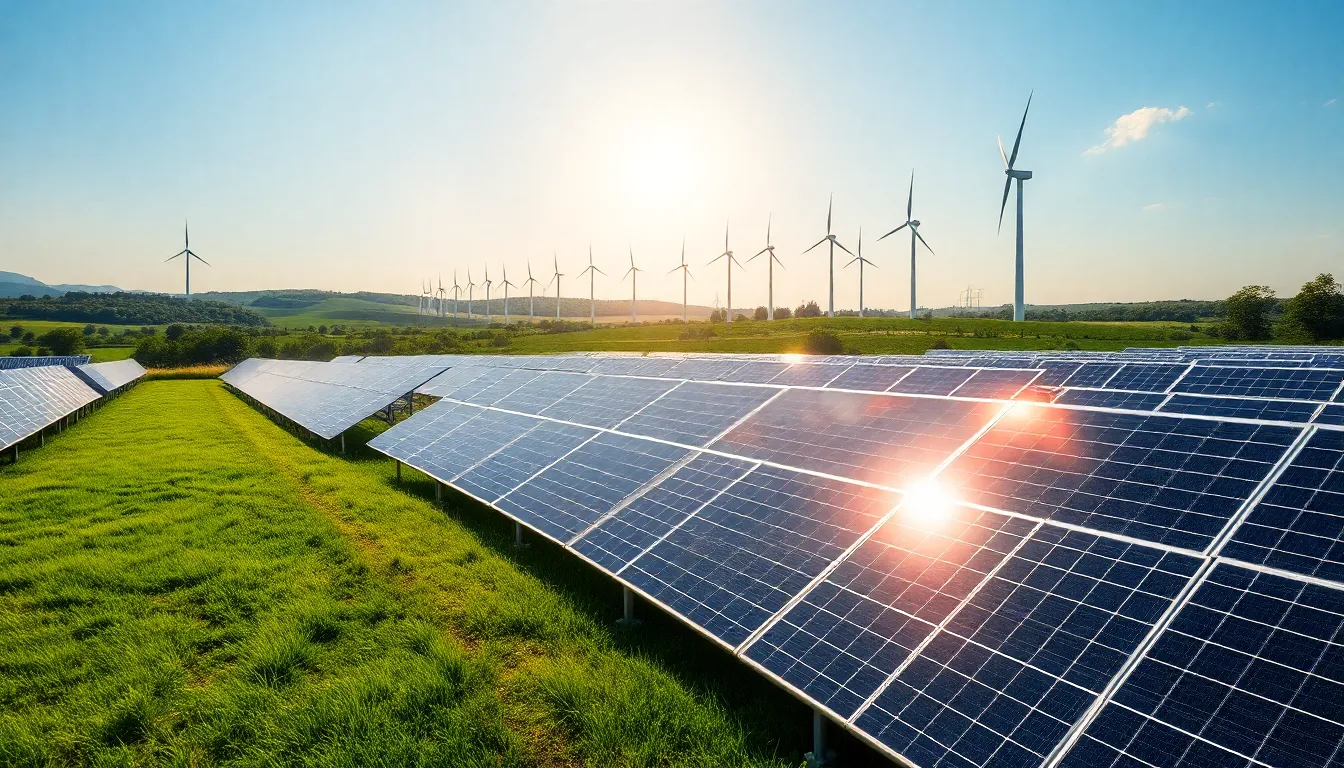
Green tech innovations encompass various technologies that contribute to environmental sustainability. These technologies often combine efficiency, effectiveness, and aesthetics, creating solutions that benefit both the planet and society.
Renewable Energy Technologies
Renewable energy technologies include solar, wind, and geothermal systems. Solar panels convert sunlight into electricity through photovoltaic cells. Wind turbines, which capture wind energy, generate power even in low-wind conditions. Geothermal energy systems utilize heat from beneath the Earth’s surface, providing a reliable energy source. Each technology contributes to reducing greenhouse gas emissions significantly. Notably, large-scale solar farms and wind farms reflect growing investments in these renewable solutions.
Energy Efficiency Solutions
Energy efficiency solutions optimize resource use to lower energy consumption. Smart home systems manage energy needs through automation, adjusting lighting and heating based on occupancy. LED lighting reduces energy use compared to traditional bulbs without compromising brightness. Insulation upgrades in buildings improve energy retention, leading to lower heating and cooling costs. Efficient appliances consume less power and water, contributing to reduced utility bills. Together, these solutions enhance overall energy conservation efforts.
Impact on Environment
Green tech innovations significantly influence environmental health. They reduce emissions and promote sustainable practices.
Reducing Carbon Footprint
Advanced technologies slash carbon footprints across various sectors. Electric vehicles offer a cleaner alternative to traditional gas-powered cars, cutting greenhouse gas emissions substantially. Efficient solar panels convert sunlight into electricity, minimizing dependency on fossil fuels. Smart home systems enhance energy usage by optimizing consumption patterns, resulting in lower utility bills. Transitioning to biodegradable materials also lowers carbon output during production and degradation. Each innovation contributes uniquely, ensuring a healthier planet for future generations.
Promoting Sustainability
Sustainability initiatives thrive with emerging green technologies. Urban green spaces foster biodiversity and enhance air quality, creating healthier environments. Vertical farming maximizes land use while reducing transport emissions, providing local produce efficiently. Renewable energy systems generate clean power, decreasing reliance on non-renewable resources. Smart irrigation systems utilize water resources efficiently, promoting sustainable agriculture practices. By integrating these technologies, communities advance toward enhanced resilience and environmental stewardship.
Future Trends in Green Tech Innovations
Green tech innovations continue evolving rapidly, driving significant changes in sustainability and environmental health. New technologies emerge daily, paving the way for a cleaner future.
Emerging Technologies
Innovations in solar energy are revolutionizing the energy landscape. Floating solar panels increase efficiency while conserving land space. Next, hydrogen fuel cells gain traction, providing clean energy for transportation and heavy industries. Many cities also adopt smart grids, enhancing energy distribution and consumption. Battery storage technologies, including solid-state batteries, promise improved performance and longevity, making renewable energy more reliable. Precision agriculture technologies, like drones and soil sensors, optimize resource use, thus increasing crop yields with minimal environmental impact. Furthermore, bioplastics derived from renewable resources offer environmentally friendly alternatives to traditional plastics.
Government and Industry Support
Support from governments amplifies green tech development. Incentives and subsidies foster innovation in renewable energy technologies. Regulatory frameworks often streamline the approval process for new technologies, encouraging rapid deployment. Additionally, collaboration between the private sector and public institutions enhances research and development efforts. Several countries commit to substantial investments in infrastructure to facilitate green tech adoption, including electric vehicle charging stations and renewable energy installations. Industry partnerships drive advancements, with companies pooling resources to accelerate the transition toward sustainability. As financial backing intensifies, the green tech sector stands poised for unprecedented growth and innovation.
Green tech innovations are transforming the landscape of sustainability and environmental stewardship. As these technologies advance they not only tackle climate change but also enhance everyday life. The integration of renewable energy systems smart home solutions and innovative agricultural practices showcases a commitment to a healthier planet.
The future looks promising as investments in green tech continue to rise. With government support and industry collaboration driving development the potential for groundbreaking advancements is immense. As communities embrace these innovations they pave the way for a more sustainable future ensuring that generations to come can thrive in a cleaner and greener world.