







The Internet of Things (IoT) is transforming the way we interact with the world around us. With smart devices becoming a part of everyday life, innovations in IoT are driving efficiency and connectivity like never before. From smart homes to industrial applications, these advancements are reshaping industries and enhancing user experiences.
As technology evolves, new solutions emerge that push the boundaries of what’s possible. Companies are leveraging IoT to streamline operations, improve decision-making, and foster sustainability. The impact of these innovations is profound, offering insights into how businesses can thrive in an increasingly connected landscape.
Overview of IoT Innovations
IoT innovations encompass a wide range of technologies and applications that enhance connectivity and efficiency across various sectors. Smart devices, such as wearables and home automation systems, facilitate seamless interactions and real-time data exchange.
Smart Home Technologies
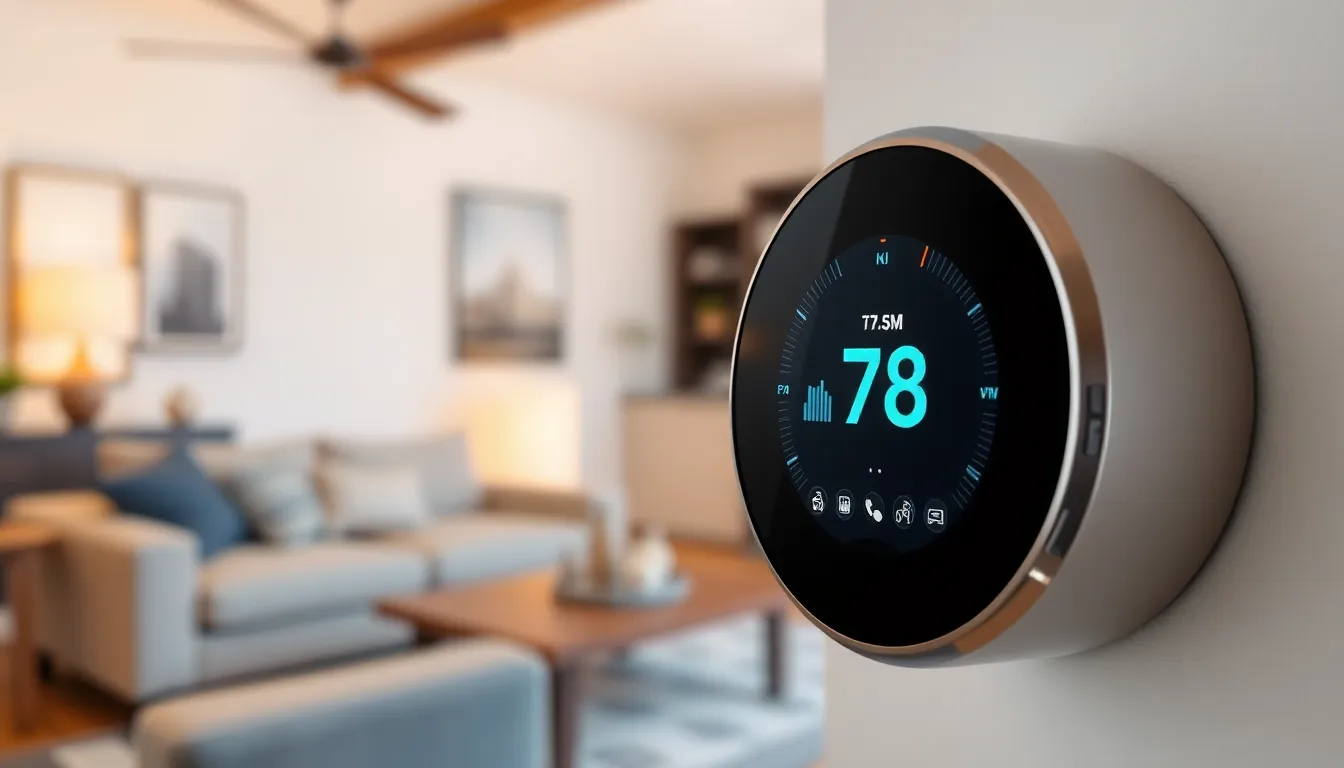
Smart home technologies enable users to control lighting, temperature, and security systems remotely. These innovations not only enhance comfort but also promote energy efficiency. For example, smart thermostats adjust settings based on occupancy patterns, saving up to 15% on heating and cooling costs.
Industrial IoT (IIoT)
Industrial IoT transforms manufacturing and logistics through interconnected devices. IIoT systems monitor equipment health and production processes, reducing downtime by 20% or more. Predictive maintenance utilizes data analytics to anticipate failures, minimizing unexpected shutdowns.
Healthcare Innovations
IoT innovations in healthcare improve patient monitoring and management. Wearable health devices collect and transmit vital signs, allowing healthcare providers to monitor patients remotely. This capability results in quicker responses to emergencies and better chronic disease management.
Smart Cities
Smart cities leverage IoT technologies to enhance urban living. Connected infrastructure, such as intelligent traffic lights and waste management systems, improve resource allocation. Studies show that smart traffic systems can reduce congestion by 30%, leading to shorter commute times and lower emissions.
Agriculture and Farming
IoT applications in agriculture optimize resource use and crop yields. Sensors monitor soil moisture and nutrient levels, enabling precise irrigation and fertilization. This data-driven approach can increase crop production by 20% while conserving water.
Retail Innovations
Retailers utilize IoT technologies to streamline operations and enhance customer experiences. Smart shelves and inventory systems track product availability in real-time, resulting in reduced stockouts and increased sales. Businesses report up to a 25% boost in efficiency through IoT integration.
These innovations continue shaping industries by providing valuable insights and enhancing operational efficiencies, solidifying IoT’s role as a key driver of progress in today’s interconnected world.
Key Technologies Driving IoT Innovations
Different technologies significantly enhance the capabilities and potential of IoT innovations. Key among them are artificial intelligence, edge computing, and 5G connectivity.
Artificial Intelligence and Machine Learning
Artificial intelligence (AI) and machine learning (ML) empower IoT devices to analyze vast amounts of data efficiently. AI algorithms provide predictive analytics, enabling smart devices to learn from user behavior and optimize functions in real-time. For example, smart thermostats adjust heating and cooling based on user patterns, resulting in energy savings. Machine learning also enhances data processing by automating decision-making, identifying anomalies, and improving device interactions, thereby paving the way for personalized user experiences.
Edge Computing
Edge computing minimizes latency by processing data close to the source, which is crucial for IoT applications requiring real-time responses. By reducing the distance data must travel, edge computing improves reliability and accelerates decision-making. This technology is essential in sectors like manufacturing and healthcare, where immediate data analysis prevents equipment failures and enhances patient monitoring. Edge devices, such as gateways, reduce bandwidth usage and increase overall system efficiency, facilitating seamless operations across connected environments.
5G Connectivity
5G connectivity revolutionizes IoT by offering faster data transfer rates, lower latency, and increased device capacity. With 5G, smart devices can communicate instantly, allowing for real-time data sharing and responsive interactions across various applications. This technology significantly benefits sectors like autonomous vehicles and smart cities, where timely data exchange is paramount. Enhanced network capacity supports the simultaneous connection of millions of devices, fostering greater scalability and innovation in IoT solutions.
Applications of IoT Innovations
IoT innovations have wide-ranging applications across various sectors, driving efficiency, connectivity, and improved user experiences. Key examples include smart homes, industrial IoT, and healthcare solutions.
Smart Homes
Smart homes utilize IoT devices to enhance comfort and convenience. Home automation systems allow users to control lighting, heating, and security from their smartphones or voice assistants. Smart thermostats optimize energy use by learning user preferences and adjusting settings accordingly. Additionally, IoT-enabled cameras and sensors improve security by providing real-time alerts and video feeds. Reports indicate that smart homes can reduce energy consumption by up to 30% through efficient management of resources, contributing positively to sustainability efforts.
Industrial IoT
Industrial IoT (IIoT) focuses on improving manufacturing and logistics through connected devices. IIoT solutions monitor equipment health, predicting maintenance needs and minimizing downtime through data analytics. For instance, factories can use sensors to track machine performance and detect anomalies in real time. This capability can lead to a 10-20% increase in productivity and significant cost savings. Furthermore, IIoT aids supply chain management by providing real-time tracking of goods, streamlining processes, and improving inventory accuracy.
Healthcare Solutions
IoT innovations in healthcare enhance patient monitoring and management. Wearable health devices track vital signs, facilitating remote monitoring of patients, particularly those with chronic illnesses. Data collected from these devices enables healthcare providers to make informed decisions about patient care and improve emergency response times. Additionally, telehealth services utilize IoT to connect patients with healthcare professionals, increasing access to care. Studies show that remote monitoring can reduce hospital readmission rates by 20%, underscoring the technology’s potential to transform healthcare delivery and outcomes.
Challenges and Considerations
IoT innovations present several challenges that must be addressed to ensure successful implementation and operation. Critical areas of concern include data security, privacy, standardization, and interoperability among devices.
Data Security and Privacy
Data security and privacy remain significant hurdles for IoT adoption. Devices collect vast amounts of sensitive information, making them attractive targets for cyberattacks. The 2023 Cybersecurity Report found that 30% of IoT devices lack adequate security measures, exposing potential vulnerabilities. Organizations must prioritize encryption, secure access controls, and regular software updates to safeguard user data. Compliance with regulations such as GDPR and CCPA is crucial for protecting privacy rights and fostering trust among users.
Standardization and Interoperability
Standardization and interoperability among various IoT devices present additional challenges. Currently, numerous protocols exist, complicating communication between devices. Research indicates that a lack of standardized frameworks can hinder the seamless integration of devices, with studies suggesting that 40% of companies experience integration issues. Establishing industry-wide standards promotes compatibility, enabling devices from different manufacturers to work together effectively. This collaboration enhances user experience and streamlines operations across various sectors.
Future Trends in IoT Innovations
Several trends are emerging within IoT innovations, each driving advancements across various sectors.
- Increased AI Integration
AI integration enhances IoT systems by enabling advanced data analytics. These analytics support predictive maintenance, optimize resource allocation, and personalize user experiences. Machine learning algorithms process vast data amounts, improving accuracy and efficiency in real-time decision-making.
- Expansion of Edge Computing
Edge computing continues to expand, allowing data processing closer to the source. This capability reduces latency and bandwidth use, making it ideal for applications requiring immediate responses, such as automated manufacturing and smart healthcare devices.
- Enhanced Security Measures
Enhanced security measures are crucial in addressing IoT vulnerabilities. Companies prioritize implementing robust encryption methods, secure access protocols, and regular audits to protect sensitive data. The rise of Security-as-a-Service solutions offers additional support for managing IoT security challenges.
- Growth of 5G Connectivity
The growth of 5G connectivity drives IoT innovation by facilitating faster data transfer rates and connecting more devices. This capability enables real-time communication essential for applications like autonomous vehicles and smart city infrastructure.
- Sustainability Initiatives
Sustainability initiatives play a pivotal role in shaping IoT innovations. Smart technologies help optimize energy usage and resource management, allowing industries to lower their carbon footprint. For example, smart agriculture utilizes IoT sensors to monitor soil health, leading to more efficient water and fertilizer usage.
- Interoperability Standards Development
Interoperability standards development is essential for seamless device communication. Collaborative efforts among industry leaders focus on creating frameworks that enhance compatibility across diverse IoT devices, addressing integration challenges faced by many organizations.
- Advancements in Data Analytics
Advancements in data analytics drive IoT systems toward greater efficiency. Technologies such as real-time analytics and big data processing enable businesses to leverage insights for improved decision-making and operational strategies.
- Focus on User Privacy
Focus on user privacy becomes increasingly critical as IoT adoption grows. Companies implement transparent user consent processes and adopt privacy-by-design approaches, ensuring that user data is managed responsibly and in compliance with regulations.
These trends illustrate how IoT innovations will continue to evolve, influencing countless aspects of daily life and industrial operations.
The rapid evolution of IoT innovations is reshaping how individuals and industries operate. By enhancing connectivity and efficiency, these advancements are not just improving user experiences but also driving significant changes in sustainability and productivity.
As technology continues to progress, the integration of AI, edge computing, and 5G will further amplify the capabilities of IoT devices. However, addressing challenges like data security and interoperability remains crucial for maximizing the benefits of these innovations.
Ultimately, the future of IoT promises a more connected world where smart solutions enhance everyday life and transform industries, paving the way for a more efficient and sustainable tomorrow.