






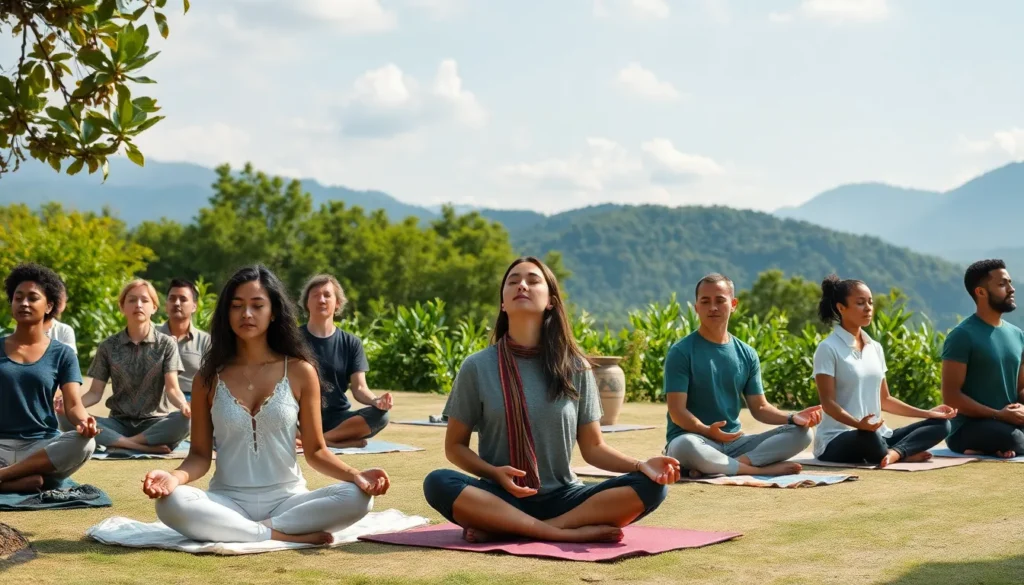
In a fast-paced world filled with constant distractions, meditation retreats offer a sanctuary for those seeking peace and clarity. These immersive experiences allow individuals to disconnect from their daily routines and reconnect with their inner selves. Whether a seasoned practitioner or a curious beginner, participants find solace in guided sessions, nature, and community.
Meditation retreats come in various forms, from serene mountain escapes to beachfront getaways. Each retreat provides a unique opportunity to deepen one’s practice and cultivate mindfulness. As awareness of mental health and well-being grows, more people are turning to these transformative experiences to recharge and rejuvenate their minds and bodies.
Overview of Meditation Retreats
Meditation retreats serve as immersive experiences designed to help individuals escape the distractions of everyday life. Participants engage in guided sessions that foster deep reflection and inner peace. These retreats cater to all levels of experience, ensuring accessibility for beginners and seasoned practitioners alike.
Retreat settings vary significantly, encompassing serene locations such as mountains, forests, and beaches. Each environment enhances the meditative experience, allowing visitors to connect with nature and embrace tranquility. The diversity in atmosphere contributes to the appeal of retreats, attracting individuals seeking mental clarity and relaxation.
As more people recognize the positive impact of meditation on mental health and well-being, the popularity of retreats continues to grow. Many participants develop lasting connections with others during their stay, fostering a sense of community. This supportive network enhances personal growth and accountability, enriching the overall retreat experience.
Meditation retreats frequently include a range of activities, from silent meditation to group discussions, nourishing both individual introspection and collective sharing. These structured schedules help participants maximize their retreat experience and deepen their practice.
Benefits of Meditation Retreats
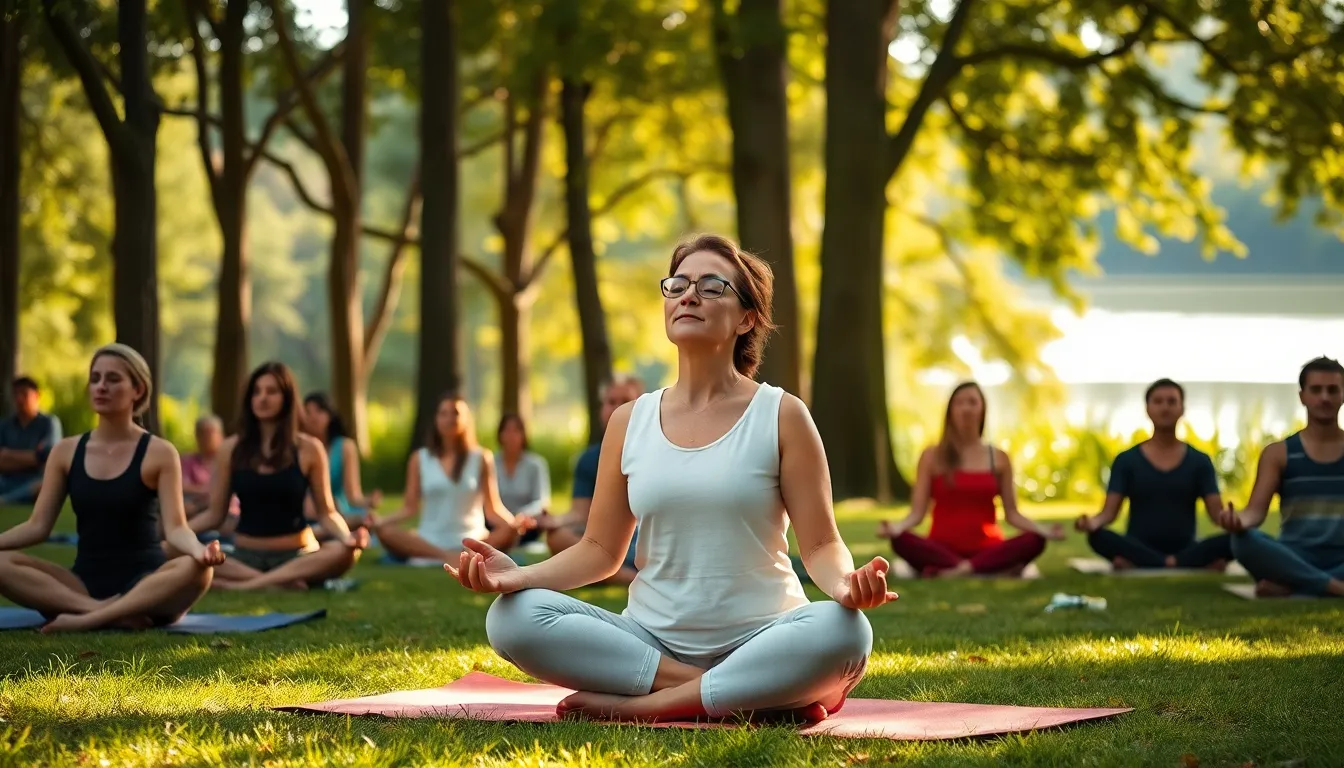
Meditation retreats offer numerous advantages that contribute to well-being. These immersive settings allow participants to enhance their mental, physical, and spiritual health.
Mental Health Improvements
Meditation retreats significantly improve mental health. Participants experience reduced stress and anxiety, as the environment promotes relaxation and mindfulness. Many studies indicate that regular meditation reduces symptoms of depression and enhances emotional resilience. Immersive practices allow individuals to deepen their self-awareness, leading to better emotional regulation and increased focus. Group discussions and shared experiences create supportive environments that facilitate healing and personal growth.
Physical Health Benefits
Meditation retreats also provide notable physical health benefits. Participants often report enhanced sleep quality, as regular meditation practices contribute to relaxation and reduced insomnia. Lower blood pressure and improved cardiovascular health are common outcomes, stemming from the stress reduction associated with meditation. Physical activities such as yoga or nature walks, often included in retreats, promote overall fitness and well-being. Research shows that these retreats can lead to healthier lifestyle choices, fostering long-term physical health improvements.
Spiritual Growth
Spiritual growth forms a crucial aspect of meditation retreats. Participants frequently explore their inner selves, leading to greater clarity about personal values and beliefs. The opportunity for introspection encourages individuals to develop a deeper connection with their spirituality, regardless of religious affiliation. Sharing experiences in a community setting fosters a sense of belonging and connectedness. Many attendees leave with newfound insights and a strengthened commitment to their spiritual journey.
Types of Meditation Retreats
Various types of meditation retreats cater to different needs and preferences. Each retreat offers unique approaches and experiences to deepen one’s practice.
Silent Retreats
Silent retreats focus on the practice of silence, allowing participants to disconnect from external distractions and engage in deep introspection. These retreats often last several days and provide structured schedules that include meditation sessions, mindful walking, and minimal conversation. By immersing in silence, individuals enhance their ability to observe thoughts, emotions, and sensations without judgment, leading to profound personal insights and clarity.
Themed Retreats
Themed retreats center around specific goals or practices, such as mindfulness, loving-kindness, or yoga integration. These retreats usually incorporate workshops, guided meditations, and discussions tailored to the theme. For instance, a mindfulness retreat might emphasize techniques for stress reduction and present-moment awareness, while a yoga retreat might combine postures with meditation to promote overall well-being. Themed retreats attract participants looking to deepen their understanding of particular aspects of meditation and personal growth.
Online Retreats
Online retreats offer flexibility and accessibility for those unable to attend physical locations. These virtual experiences typically use video conferencing platforms for guided meditations, group discussions, and workshops. While participants engage from their homes, they can still connect with instructors and fellow meditators from around the globe. Online retreats serve as an effective alternative, enabling individuals to cultivate their practice and maintain a sense of community despite geographic barriers.
What to Expect at a Meditation Retreat
Participants can anticipate a structured yet flexible environment designed to enhance their meditation practice and personal growth. Each retreat offers a distinct experience shaped by daily schedules and accommodations.
Daily Schedule
Daily schedules often incorporate a mix of meditation, mindful movement, and group activities. Mornings typically start with guided meditation sessions, allowing individuals to center themselves for the day ahead. Mid-morning sessions may include yoga or nature walks to cultivate a deeper connection with the surroundings.
Afternoons usually focus on workshops, discussions, or journaling, fostering individual introspection and peer connection. Evening activities often include serene meditation practices or sharing circles, providing an opportunity for participants to reflect on their experiences and insights gained throughout the day. Breaks between activities offer time for rest, contemplation, and personal exploration.
Accommodations and Amenities
Accommodations at meditation retreats vary widely, ranging from rustic lodges to luxury resorts. Most retreats provide comfortable sleeping arrangements, often in shared or private rooms, fostering a sense of community while respecting personal space.
Amenities typically include access to communal dining areas, where participants enjoy nutritious, often vegetarian meals designed to nourish the body. Facilities may also feature serene meditation spaces, beautiful gardens, and hiking trails, enhancing one’s connection with nature. Some retreats offer additional amenities, such as wellness treatments or outdoor activities, supporting participants’ overall well-being.
Meditation retreats offer a transformative escape from daily life, allowing participants to cultivate inner peace and self-awareness. These immersive experiences not only enhance mental and physical health but also foster a sense of community and connection among attendees. With various retreat types available, individuals can find the perfect fit for their personal journey.
As the demand for mindfulness and well-being continues to rise, meditation retreats stand out as a powerful tool for personal growth. Embracing the opportunity to disconnect and reconnect can lead to lasting benefits that extend far beyond the retreat experience. Whether seeking solitude in nature or engaging in group discussions, the journey toward deeper understanding and tranquility awaits.