





In today’s fast-paced world, finding moments of peace can feel impossible. Mindfulness retreats offer a sanctuary where individuals can step away from the chaos and reconnect with themselves. These immersive experiences focus on cultivating awareness, reducing stress, and promoting emotional well-being through various practices like meditation and yoga.
Participants often leave feeling rejuvenated and equipped with tools to navigate daily life more mindfully. Whether one seeks to deepen their meditation practice or simply escape the hustle and bustle, a mindfulness retreat provides a unique opportunity for personal growth and reflection. As more people discover the benefits, these retreats are becoming essential for anyone looking to enhance their mental clarity and emotional resilience.
Overview of Mindfulness Retreats
Mindfulness retreats offer immersive experiences designed to promote self-awareness and mental clarity. These retreats typically include structured activities such as meditation, yoga, and mindful walking, aimed at fostering deeper connections with oneself.
Participants engage in various mindfulness practices that encourage present-moment awareness. Common activities include guided meditations, breathwork sessions, and mindfulness workshops. Such practices empower individuals to manage stress, improve focus, and enhance emotional resilience.
Locations for mindfulness retreats vary widely, ranging from tranquil nature settings to serene urban environments. Some retreats may focus on specific themes, like healing or personal transformation, catering to diverse needs and preferences.
Duration of mindfulness retreats can vary from weekend getaways to week-long immersions, allowing individuals to choose based on their schedules and goals. Regardless of length, each retreat’s objective remains consistent: to cultivate mindful living habits that extend beyond the retreat experience.
Benefits of Attending a Mindfulness Retreat
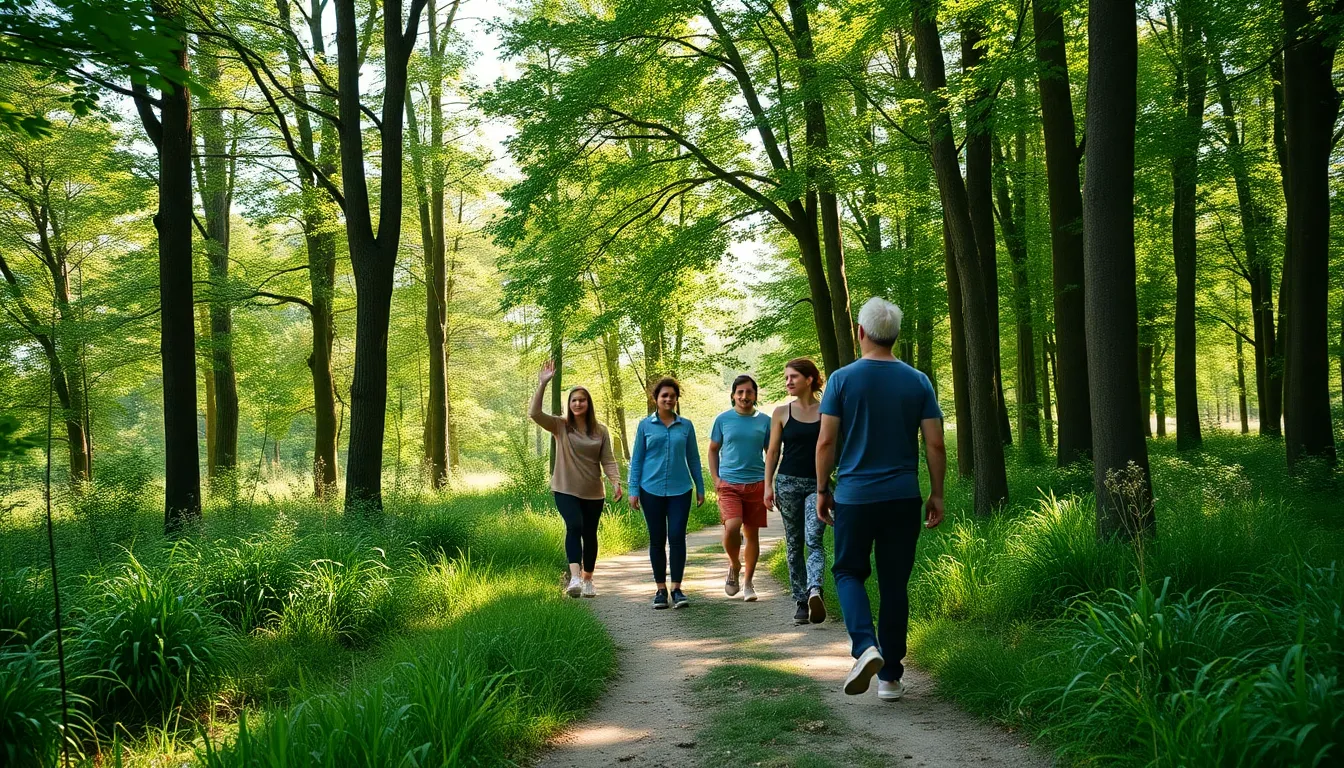
Mindfulness retreats provide significant benefits, particularly in managing stress and enhancing emotional health. These immersive experiences cultivate essential skills and foster personal growth.
Reducing Stress and Anxiety
Mindfulness retreats focus on practices that significantly mitigate stress and anxiety. Guided meditations promote relaxation, allowing participants to disengage from daily worries. Breathwork techniques establish a calm breathing pattern, fostering tranquility. Mindful walking practices encourage connection with the present moment and the surrounding environment, further alleviating tension. Research indicates that engaging in mindfulness practices can decrease cortisol levels, the hormone responsible for stress. Moreover, consistent retreat attendance helps individuals develop long-term strategies for managing anxiety in their daily lives.
Enhancing Emotional Well-being
Mindfulness retreats enhance emotional well-being by encouraging self-reflection and personal insight. Participants engage in activities that promote emotional awareness, helping them recognize and process feelings effectively. Journaling sessions provide a platform for expressing thoughts, leading to clarity and understanding. Additionally, group discussions foster a sense of community, reducing feelings of isolation. Evidence shows that individuals who practice mindfulness experience improved mood and emotional resilience. Regular attendance at retreats equips participants with tools to maintain a positive emotional state beyond their time at the retreat, supporting ongoing personal development.
Types of Mindfulness Retreats
Mindfulness retreats encompass various types tailored to meet different participant needs and preferences. These types enhance the retreat experience by focusing on specific practices or themes that enrich personal growth.
Silent Retreats
Silent retreats offer participants a chance to disconnect from external distractions and immerse themselves in solitude. During these retreats, individuals engage in silent meditation, mindful walking, and reflection. Participants practice deep listening and allow thoughts to surface without judgment. Typically lasting from a weekend to several days, silent retreats foster profound self-awareness and encourage deeper insights into one’s thoughts and emotions. Research suggests that these experiences can lead to significant stress reduction and improved emotional regulation.
Themed Retreats
Themed retreats center around specific topics or objectives, providing participants with focused experiences. Common themes include stress reduction, personal transformation, healing, or community building. Activities align with the chosen theme, incorporating targeted workshops, discussions, and specialized meditation practices. For instance, a healing retreat may combine mindfulness practices with journaling and group sharing to enhance emotional release and support. Themed retreats often cater to specific groups, such as those recovering from trauma or seeking to cultivate specific skills, creating a supportive environment for personal exploration and growth.
What to Expect from a Mindfulness Retreat
Participants can anticipate a structured yet flexible environment during a mindfulness retreat, allowing space for self-discovery and personal growth. Each retreat provides a unique schedule and activities to optimize the mindfulness experience.
Daily Schedule
Daily schedules at mindfulness retreats typically include a mix of meditation sessions, meals, and personal reflection time.
| Time | Activity |
|---|---|
| 7:00 AM | Morning meditation |
| 8:00 AM | Breakfast |
| 9:00 AM | Yoga or mindful movement |
| 10:00 AM | Guided meditation |
| 12:00 PM | Lunch |
| 1:00 PM | Workshops or discussions |
| 3:00 PM | Nature walks |
| 5:00 PM | Evening meditation |
| 6:00 PM | Dinner |
| 7:30 PM | Group sharing or reflection |
| 9:00 PM | Quiet time before sleep |
The schedule provides balance and promotes mindful living through regular practice and reflection.
Activities and Practices
Activities and practices at mindfulness retreats focus on deepening self-awareness and promoting relaxation.
- Meditation: Guided and silent meditation sessions help individuals cultivate mindfulness.
- Yoga: Practices like Hatha or Yin yoga encourage movement that is mindful and intentional.
- Breathwork: Techniques improve focus and calm, enabling stress reduction.
- Journaling: Writing sessions promote self-reflection and personal growth.
- Mindful Walking: Connecting with nature through walking enhances awareness of surroundings.
Participating in these activities fosters a supportive environment that encourages exploration and personal insights, helping individuals integrate mindfulness into their daily lives.
Choosing the Right Mindfulness Retreat
Selecting the right mindfulness retreat involves several key considerations to ensure a rewarding experience.
Identify Objectives
Identify what’s most important. Participants might seek stress relief, personal growth, or specific themes, like healing. Clarifying goals helps in choosing a retreat that aligns with intentions.
Research Locations
Research different locations to find the setting that resonates. Nature retreats promote tranquility through scenic surroundings, while urban retreats offer convenience. Consider the environment that enhances personal comfort and relaxation.
Evaluate Duration
Evaluate the duration of retreats based on personal schedules. Weekend retreats provide a brief escape, while week-long immersions allow for deeper exploration. Determine the time commitment that suits personal availability and desired outcomes.
Review Activities
Review the types of activities included. Look for retreats that incorporate guided meditations, yoga sessions, and group discussions. These activities contribute to a holistic mindfulness experience, allowing for comprehensive personal development.
Assess Instruction Quality
Assess the quality of instruction by researching facilitators’ backgrounds. Experienced instructors contribute significantly to the retreat’s effectiveness through their methods and insights. Checking reviews and testimonials offers additional perspectives on the facilitators’ qualifications.
Consider Group Dynamics
Consider group dynamics by investigating the expected group size and demographic. Smaller groups often foster deeper connections, enhancing the communal experience. Reflect on comfort levels with engaging in group activities and discussions.
Determine Budget
Determine a budget for the retreat, including accommodation, meals, and activities. Understanding costs upfront helps narrow down options while ensuring a fulfilling experience. Look for value in what each retreat provides against its price.
Read Reviews
Read reviews and testimonials from past participants to gain insights into their experiences. These perspectives can reveal valuable information about the retreat’s atmosphere, effectiveness, and overall satisfaction. Ensure that the feedback aligns with personal expectations.
Choosing the right mindfulness retreat involves thoughtful consideration of personal goals, preferences, and practicalities. This approach maximizes the retreat’s potential for transformative experiences.
Mindfulness retreats serve as powerful gateways for personal transformation and emotional well-being. By immersing themselves in structured practices like meditation and yoga, participants can cultivate a deeper sense of awareness and resilience. These experiences not only provide immediate stress relief but also equip individuals with lasting tools for mindful living.
As the popularity of these retreats continues to grow, they offer diverse options tailored to meet various needs and preferences. Whether seeking solitude in a silent retreat or engaging in community-focused workshops, there’s a retreat that can resonate with everyone. Embracing the journey of mindfulness can lead to profound changes, fostering a more balanced and fulfilling life long after leaving the retreat.